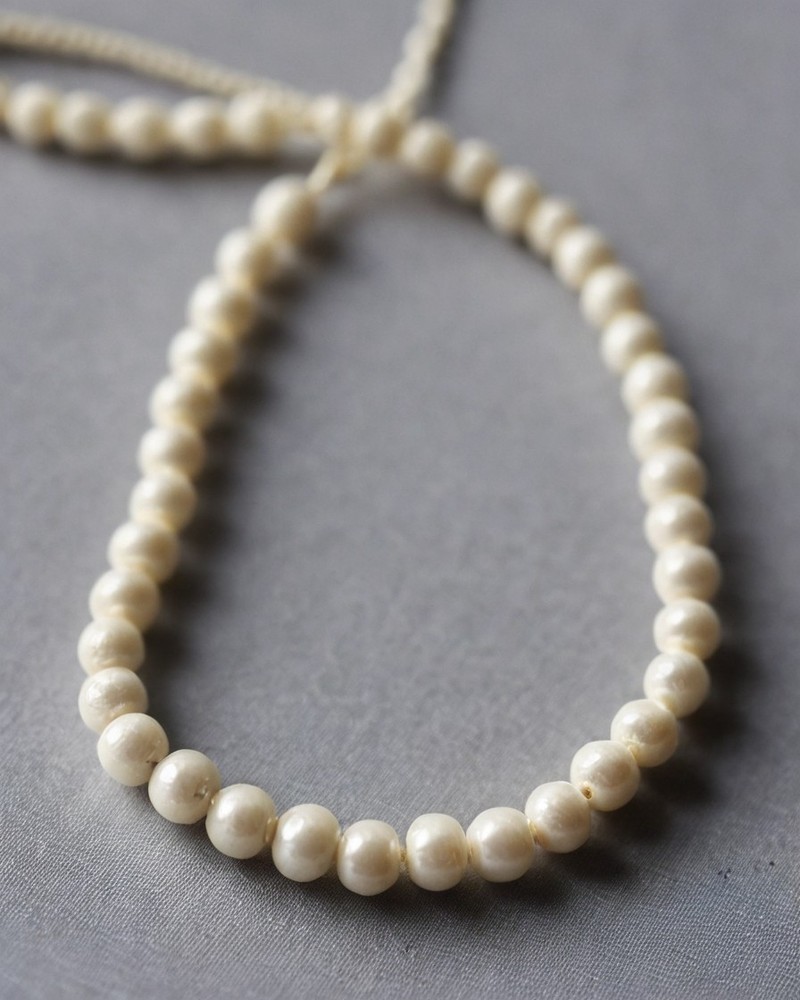
TEMPLE OBJECTS · BOUGHT ON YOUR BEHALF
One object,
one number.
We go to the mountain and buy from the temple shop. The number records which day it was placed on the offering table, and where. Beyond that, we promise nothing.
We go to the mountain and buy from the temple shop. The number records which day it was placed on the offering table, and where. Beyond that, we promise nothing.
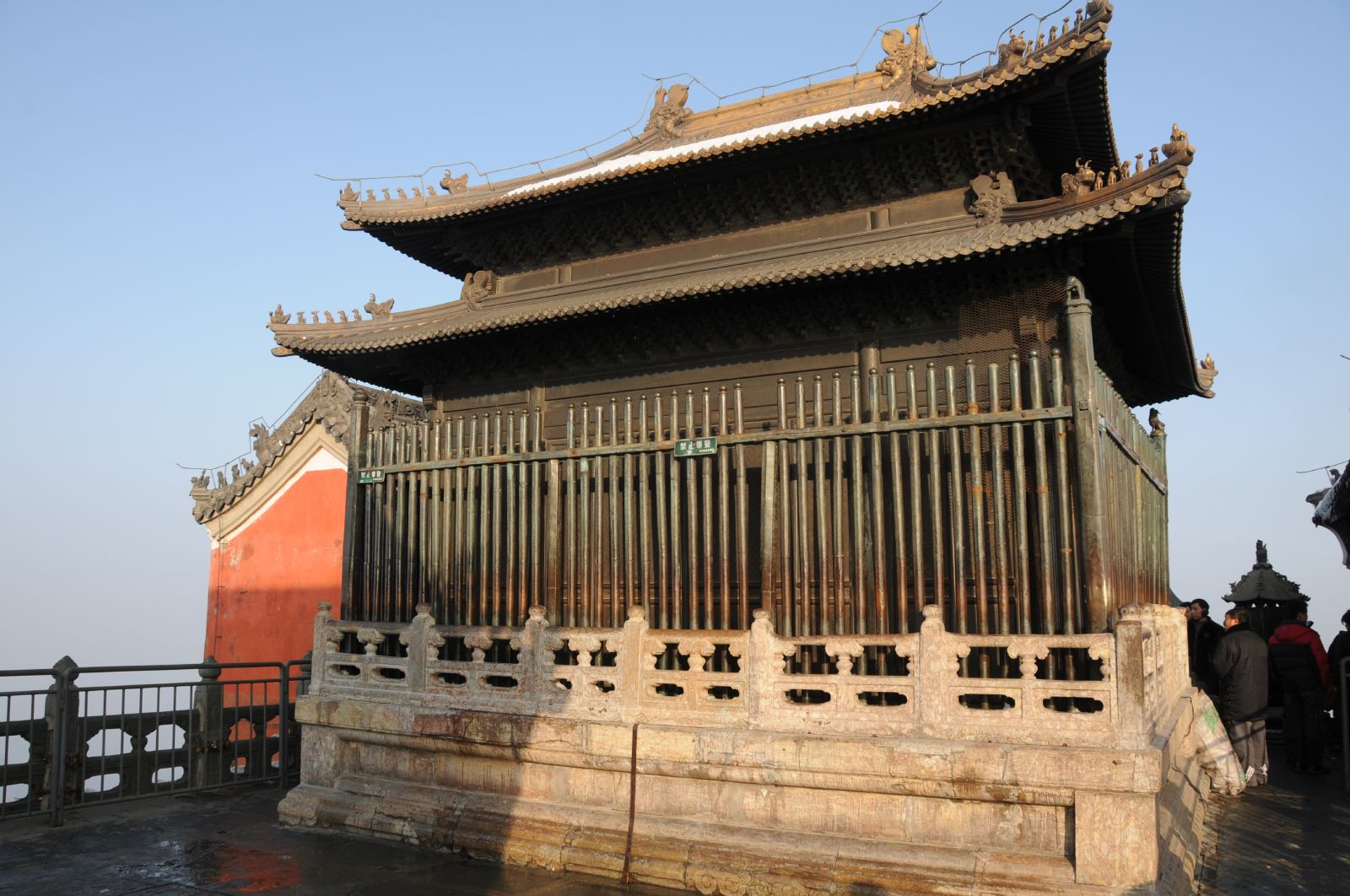
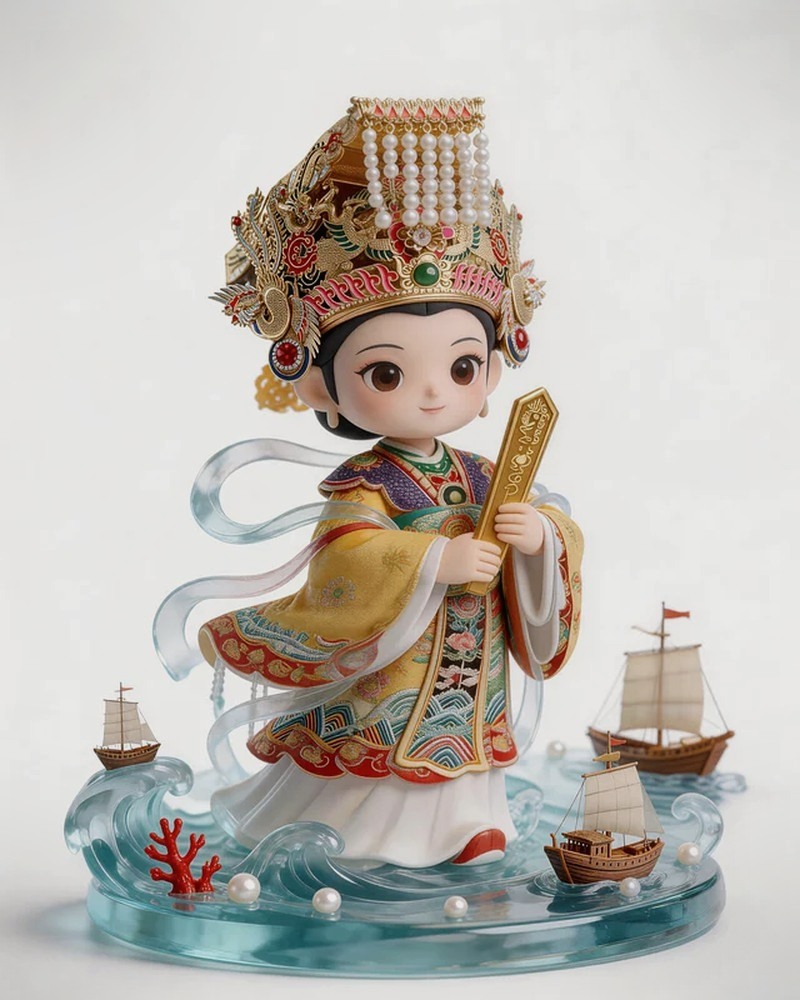
Manjushri's insight, Guanyin's compassion, Zhenwu's order, Mazu's protection. Which one you ask for depends on what you find missing.
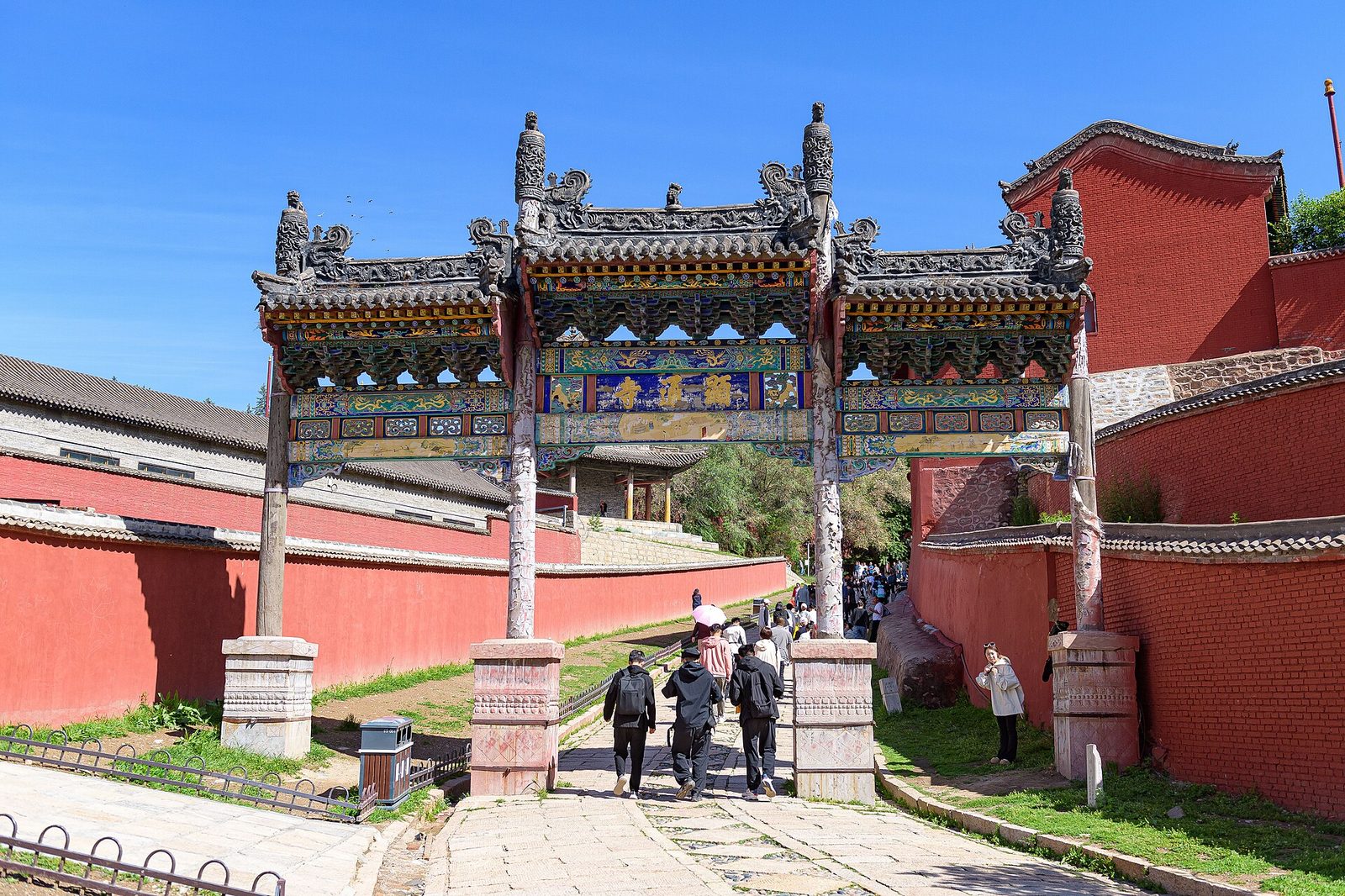
A shopper asks the price. We ask someone to go. Every piece is bought in person at a temple shop, offered with the assembly, and filmed while it happens.
One from each of the four sites, numbered from the year's running count. When they are gone, they wait for the next visit.
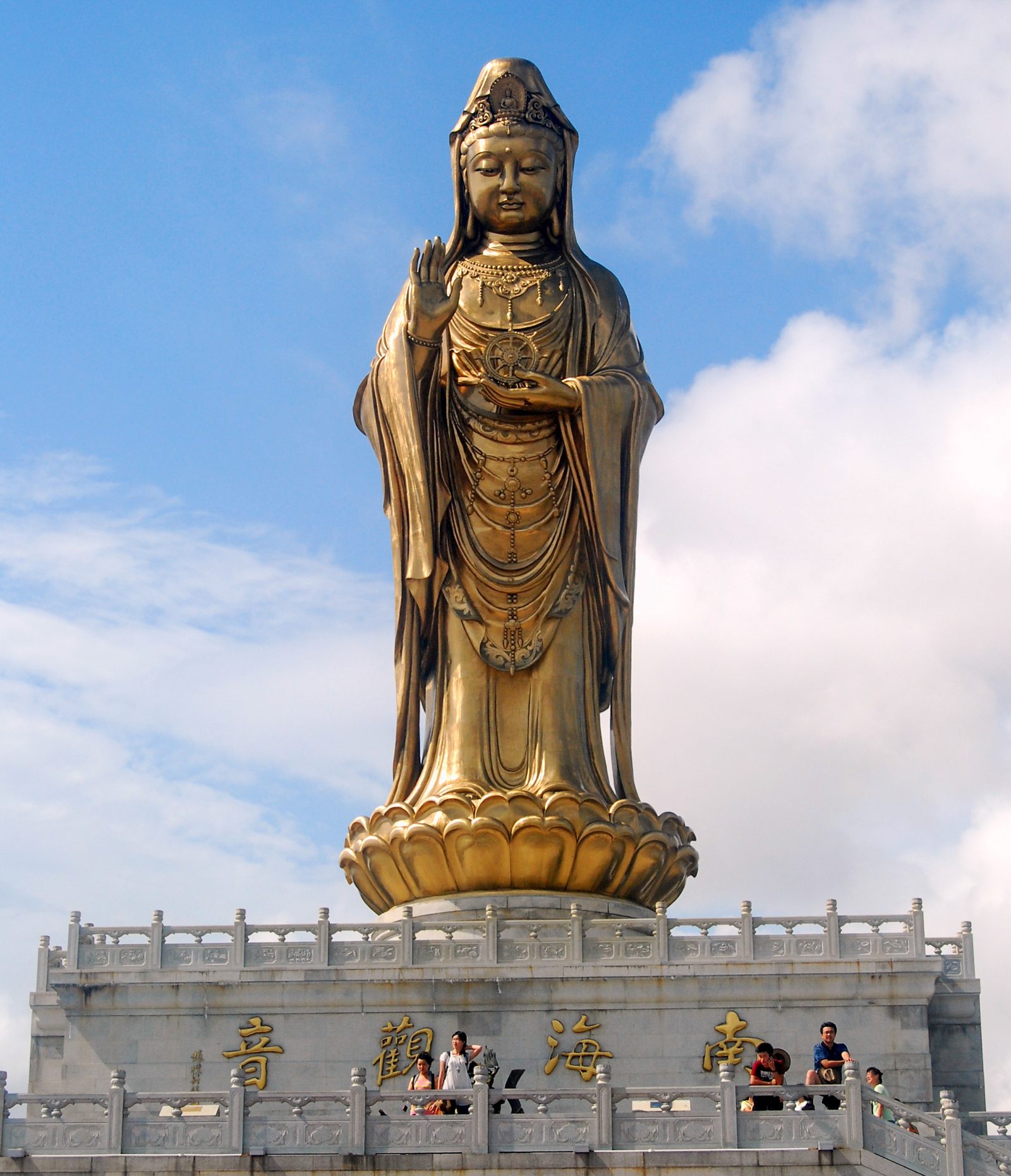
The Guanyin of Putuo was carried off by a Japanese monk, Hui E. The image was meant to go east; the ship would not leave the Lotus Ocean, so it stayed. "Unwilling to go" is the whole story of a crossing that failed and became a home.
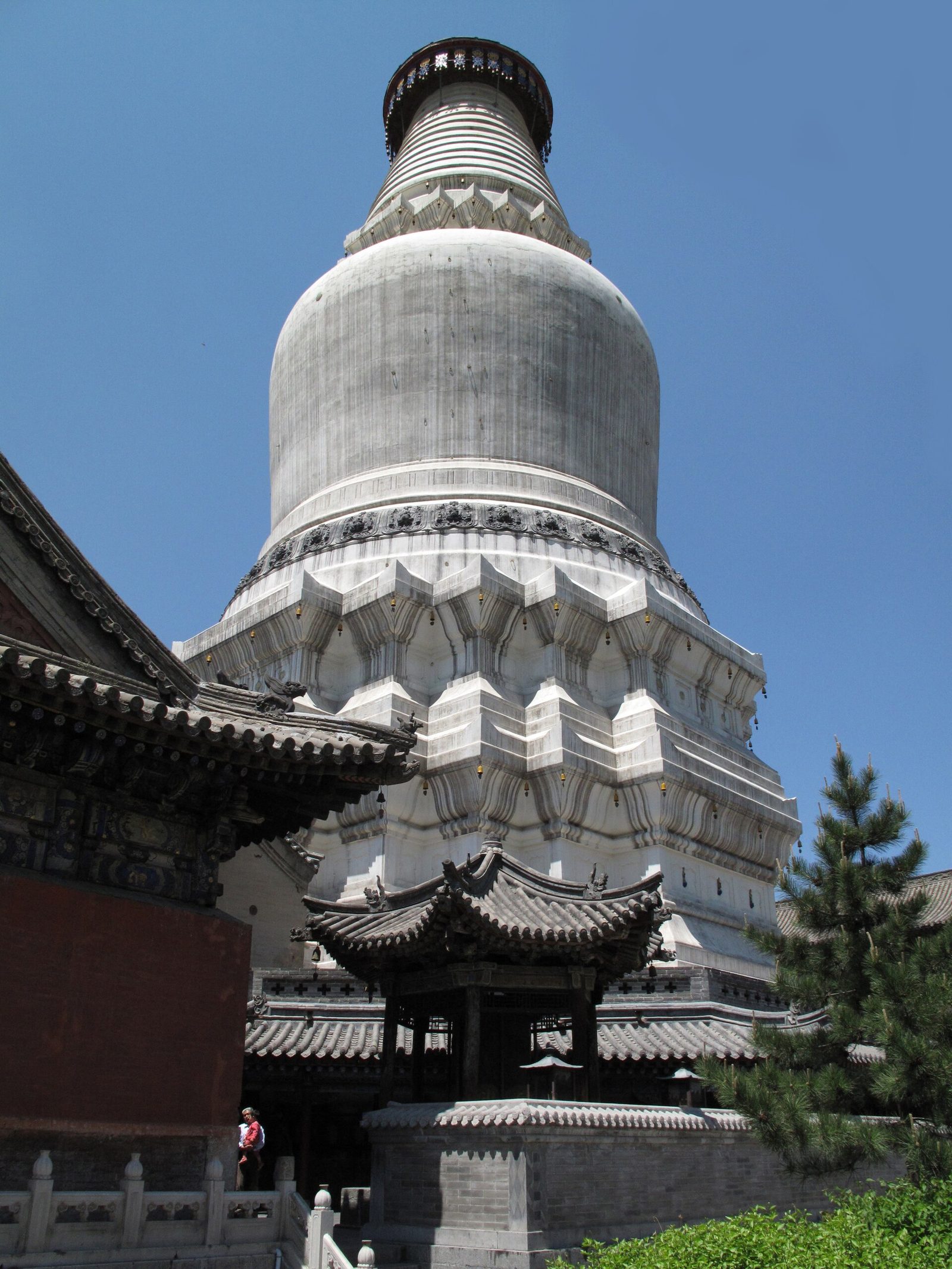
The white stupa of Wutai was designed by a Nepalese master. In the thirteenth century, the craft of Kathmandu was already tied to that mountain.
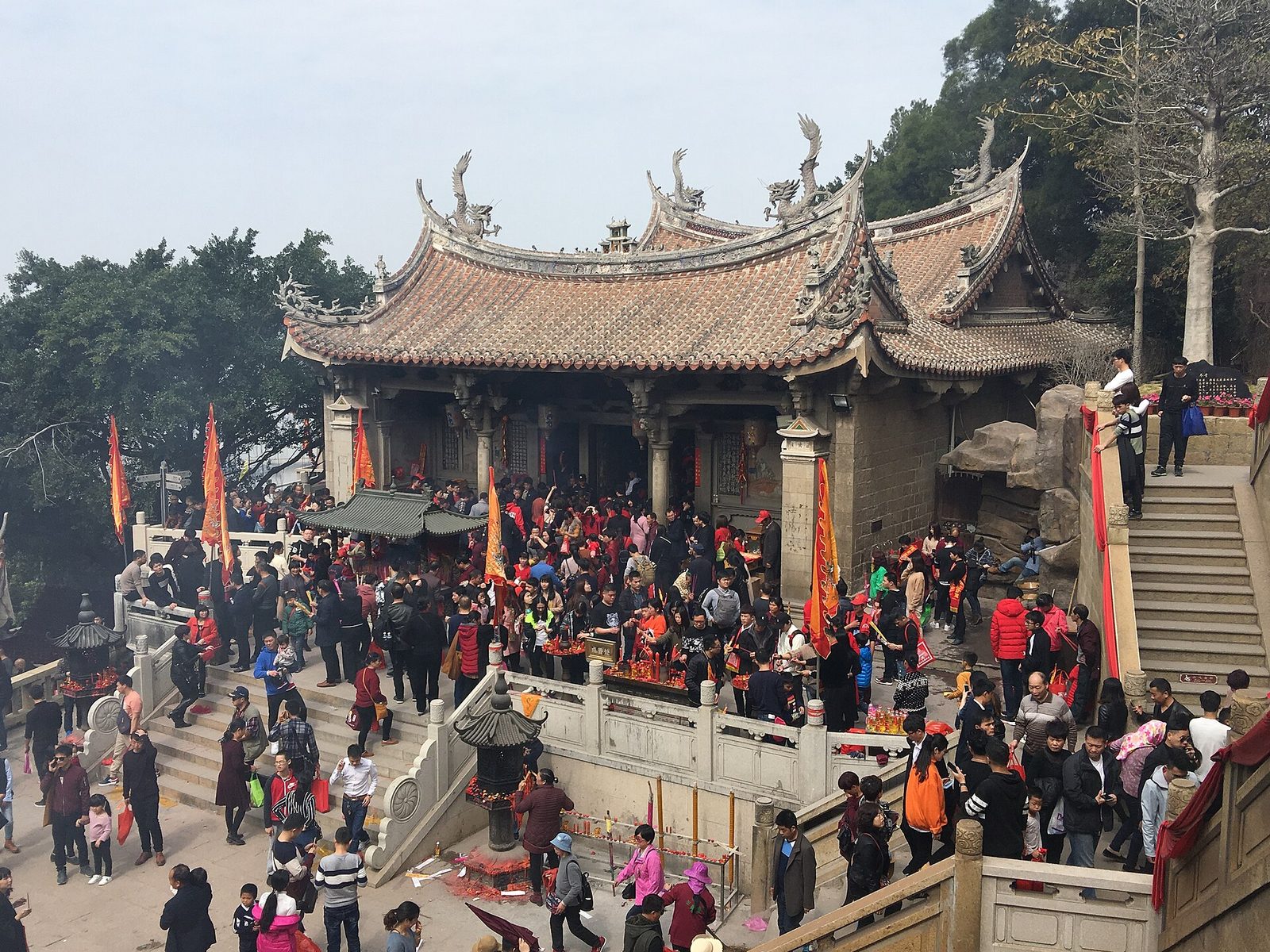
Mazu's incense travelled with the ships. Most Chinese temples in Malaysia, Singapore and Indonesia say their incense was divided from Meizhou, and they send people back every year. The route is centuries old and unbroken.
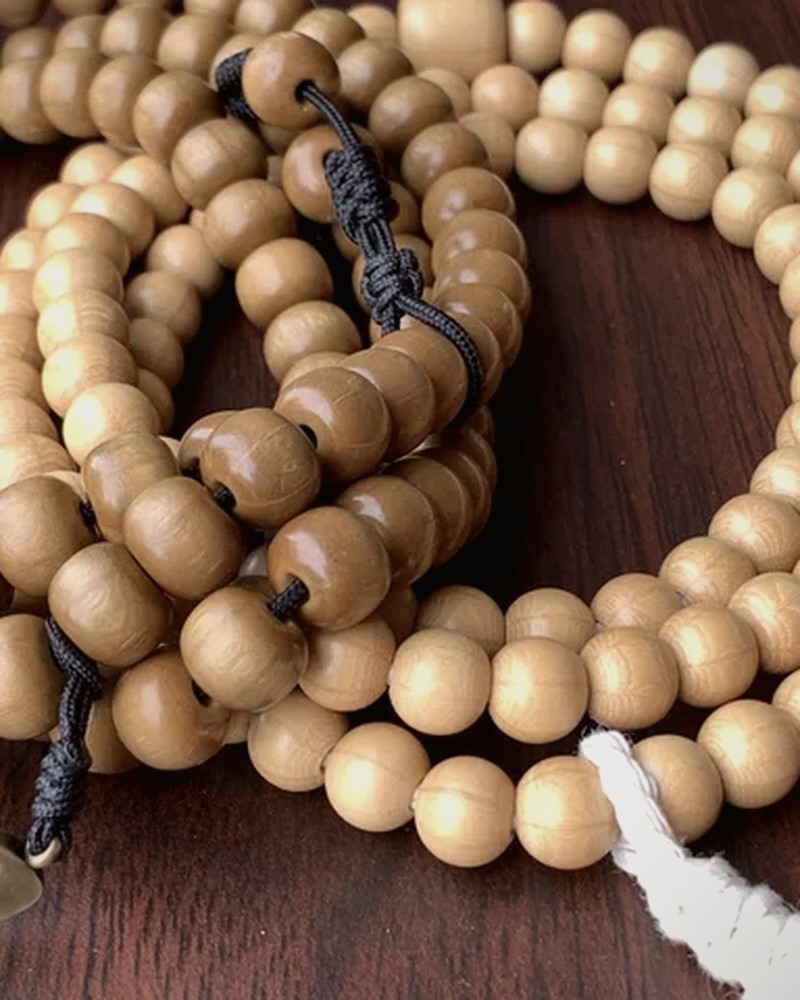
What you take home is not simply a string of beads. It is the next stop on a route that has been running for hundreds of years.