SHANXI · XINZHOU
Mount Wutai
There are four roads up the mountain. All of them take a long time. At the top, the wind comes at you sideways.
There are four roads up the mountain. All of them take a long time. At the top, the wind comes at you sideways.
Mount Wutai is the first of China's four great Buddhist mountains, and one of the few places where Tibetan and Chinese Buddhism share the same slopes. It is not one mountain: five peaks with flat summits ring a cool basin, and the whole of it is treated as a single sacred ground.
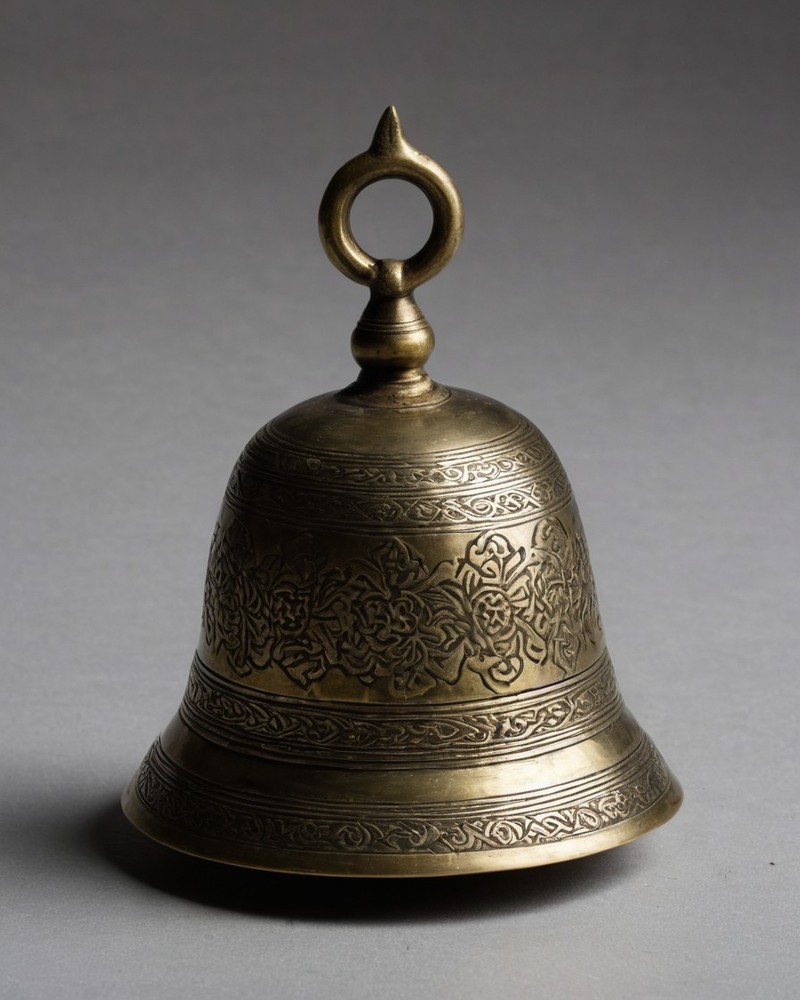
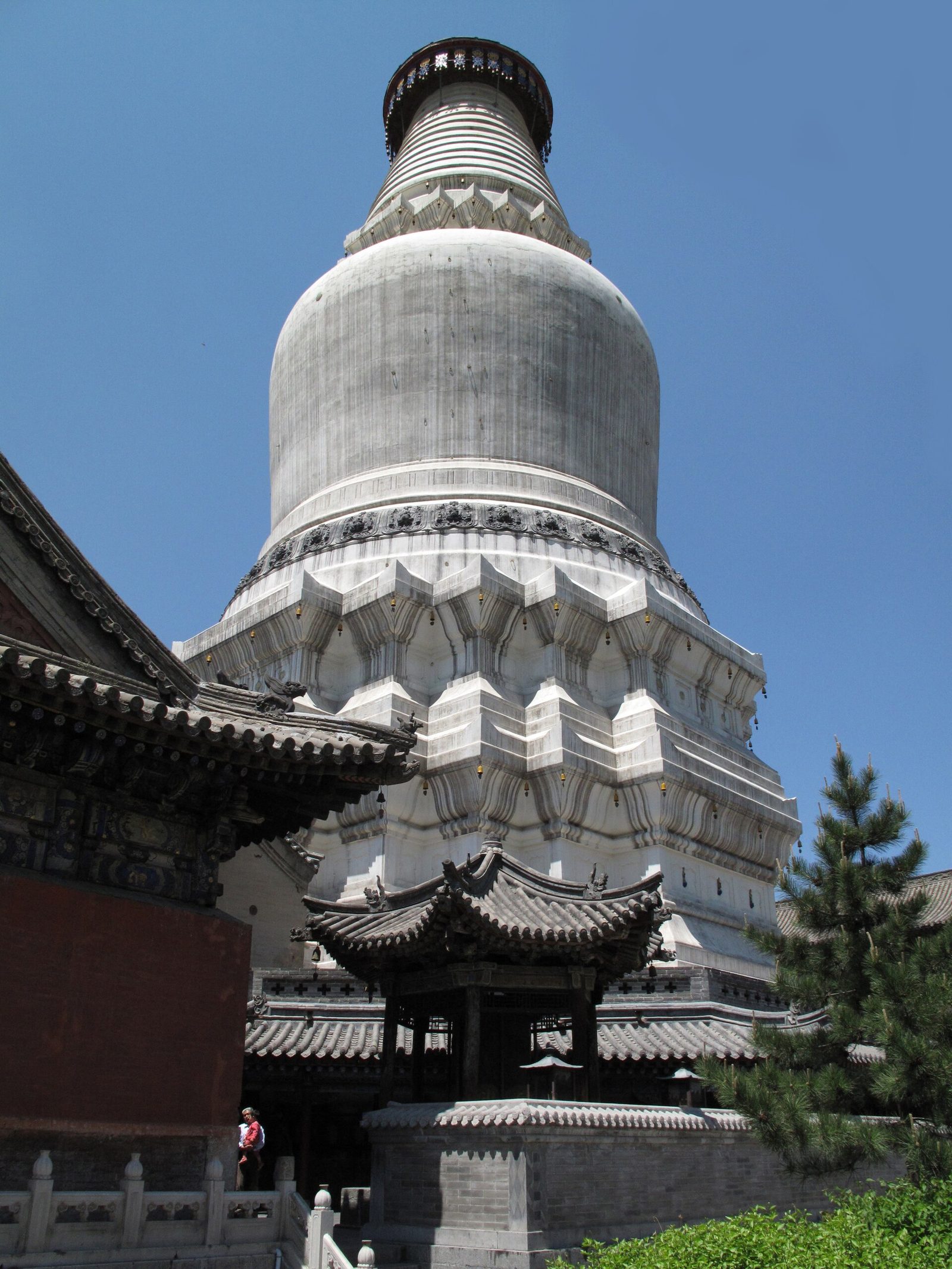
At five in the morning the fog in Taihuai lies along the ground. Xiantong Temple's bell goes first; the bronze strikes the mountain and comes back softened. The great white stupa at Tayuan is only an outline in the mist, and the people walking around it do not speak. Their feet find the flagstones, one circle after another.
| Elevation | Yedou Peak, 3,061 m |
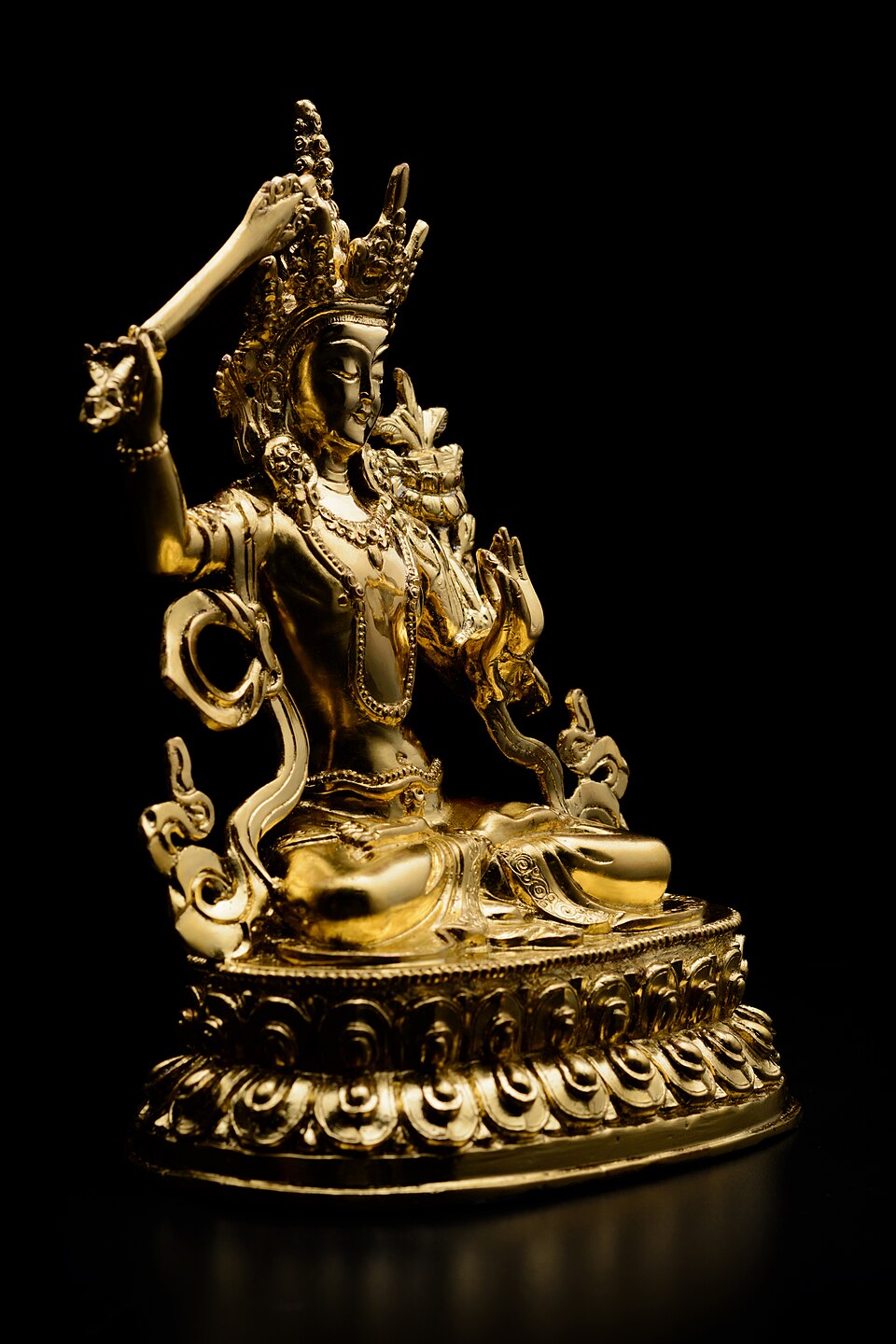
| Tradition | Manjushri |
| Listed | UNESCO World Heritage, 2009 |
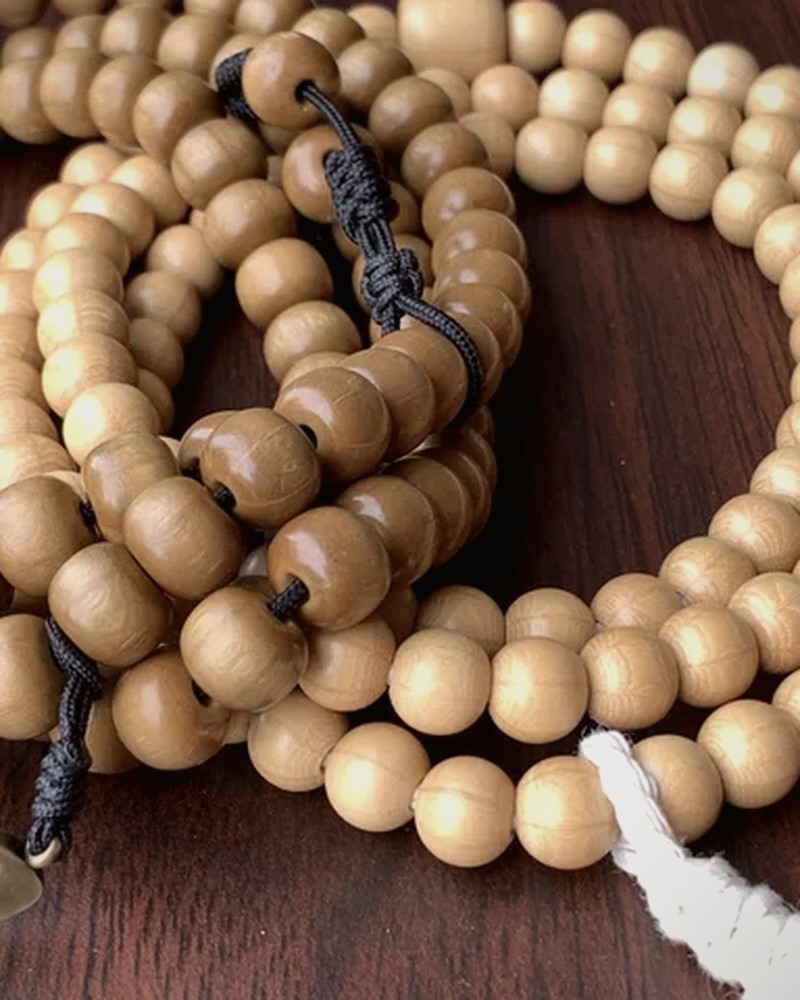
| Local | Six-lane wood, tai mushrooms, trollius |
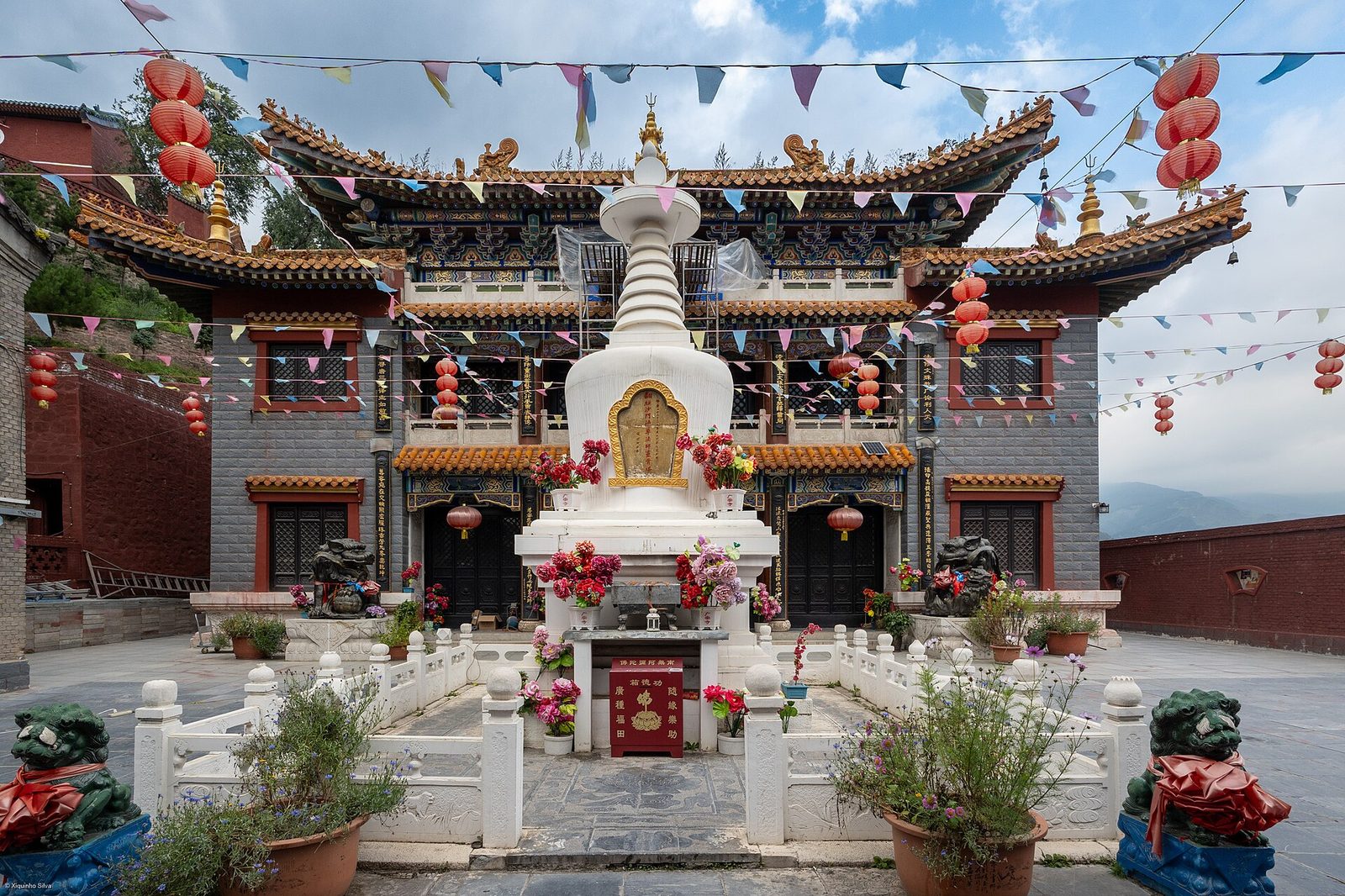
Step over the threshold, never on it. Walk clockwise around a stupa. Never step across a ritual object or set it on the floor. Three sticks of incense are enough.
Older people here say the six-line wood was once called dragon-subduing wood, and that it holds the wind. It is a local story; you will not find it in the old records.
Dafu Lingjiu Temple is founded — the beginning of Buddhism on the mountain, and the predecessor of Xiantong.
Monasteries multiply; building continues through every later dynasty.
Work begins on the great white stupa, designed by the Nepalese master Aniko.
Pusading becomes an imperial temple; Tibetan Buddhism takes root here.
Tibetan and Chinese lineages share the mountain; pilgrims come in every season.
The oldest and largest monastery on the mountain. Its bronze hall is cast entirely in bronze and goes dark gold in sunlight; the beamless brick hall changes the sound of your voice when you step inside.
Home of the white stupa. The spire is bronze. One circuit takes about three minutes, and every pilgrim walks it.
Holds a Ming-dynasty Manjushri on a lion, almost nine metres tall. The face is quiet, and after a while it seems to be looking somewhere else.
The coffered ceiling inside, the red wall outside, an afternoon in September.
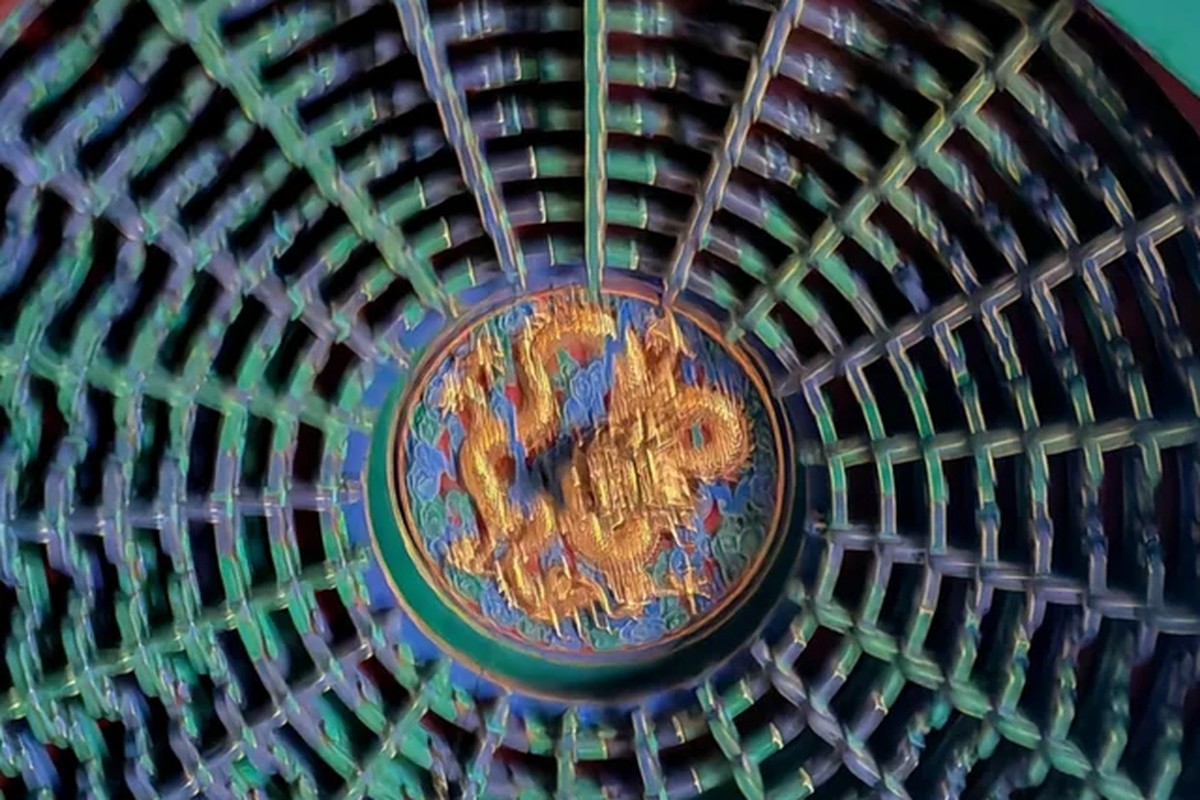
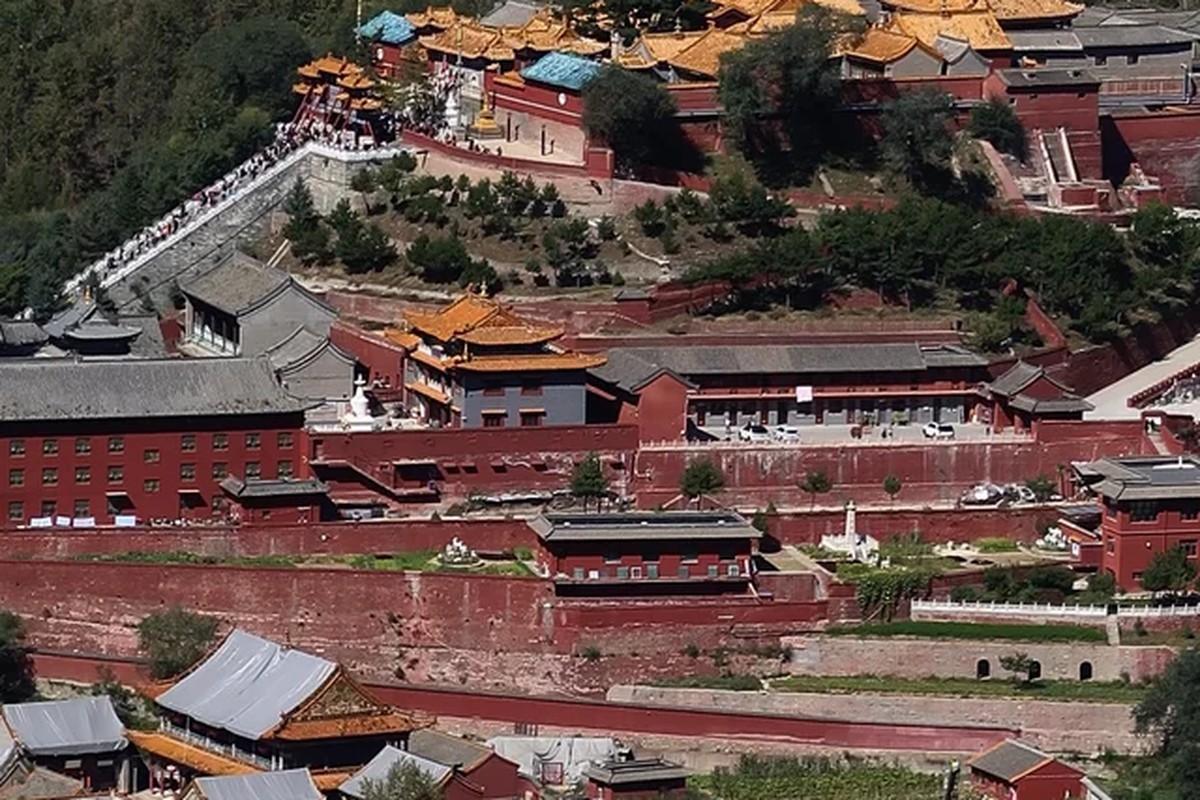
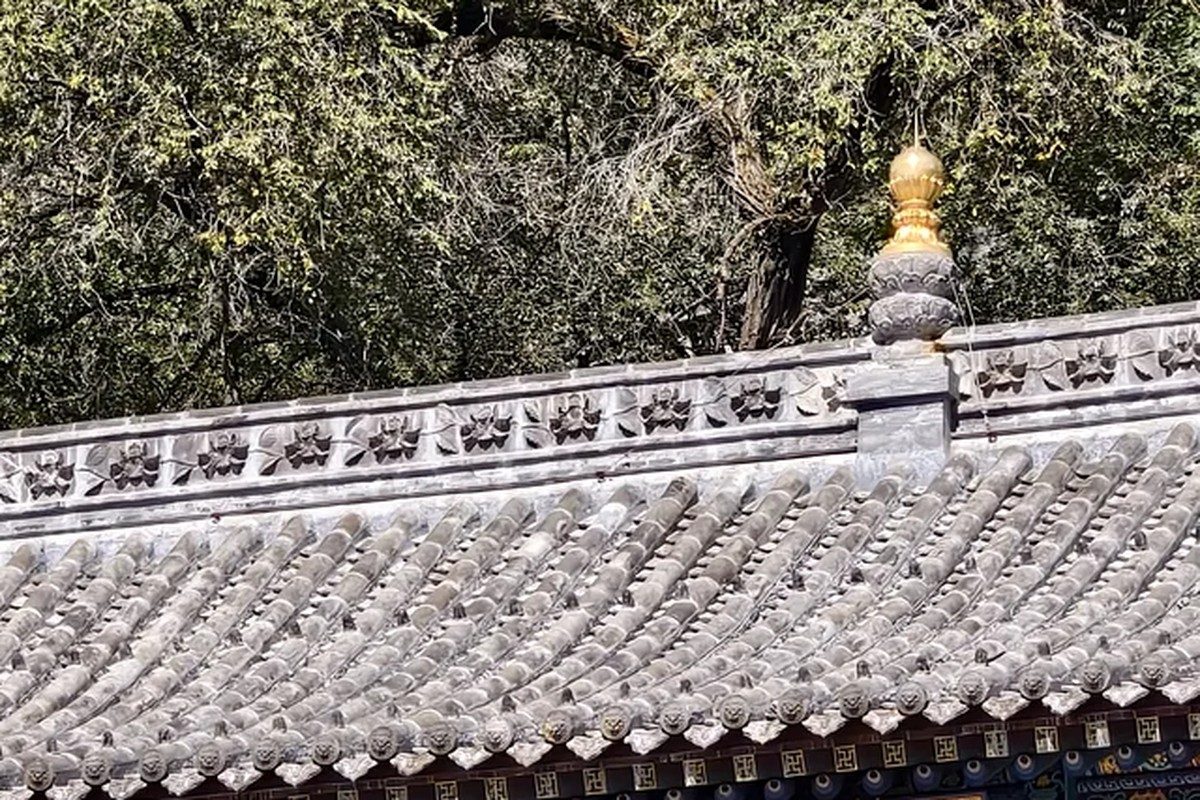
The white stupa was designed by a Nepalese master, Aniko, in the thirteenth century — Kathmandu's craft was already joined to this mountain then. Tibetan Buddhism has called Wutai the pure land of Manjushri for as long, and for centuries monks came up from Mongolia and Tibet to circumambulate it the way they would Lhasa.
Each piece is numbered and recorded. The number offered is limited by what one service can hold.